
HousingAnywhere
User activationVerificationKYC B2C WebDesktopMobile

Helping landlords publish their first listing

  • Spotted UX friction that was holding landlords back from publishing their first listing;
  • Connected the opportunity to business OKRs;
  • Sold the idea to stakeholders and got it onto the roadmap;
  • Led the redesign to boost landlords’ activation.
  • Achieved a 25% increase in the listing publishing rate and 63% fewer inquiries to Support.
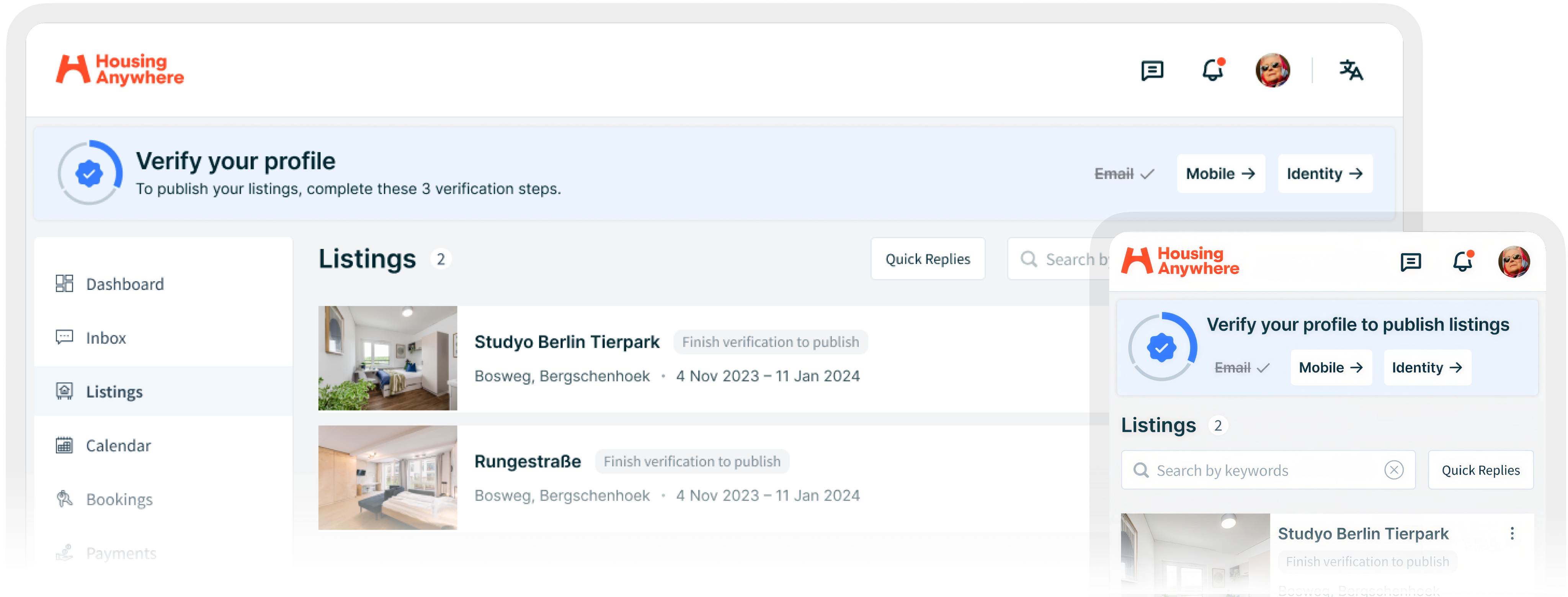
HousingAnywhere listings dashboard with verification progress on desktop and mobile.

Intro

Landlords were getting stuck between registration and publishing their first listing on the global real estate marketplace HousingAnywhere. Verification requirements used inconsistent terminology and requested weird information, even before users understood why it was needed.

Team

  • 1 Designer (me)
  • 1 Product Owner
  • 2 Developers (front+back)
  • 1 Copywriter
  • Spotted the pattern;
  • Interviewed customer support and account managers to find root causes;
  • Defined the verification milestones;
  • Partnered with the Product Owner, Engineers, and C-level to secure the project;
  • Designed the verification progress component;
  • Collaborated with a copywriter on terminology;
  • Defined related tasks for Platform designers.

Problem

Landlords were getting stuck before publishing their first listing

Customer Support was regularly guiding landlords through verification. After hearing these reports, I recreated the journey several times. Even with knowledge of the product, I struggled to understand which steps mattered and what completing them would allow me to do.

The instructions made it difficult for landlords to understand what prevented publication. Support agents were filling the gaps in a journey intended to be self-service, while the business faced drop-off before landlords published their first listing.

A landlord encounters repeated identity and email verification demands before publishing a listing.
Imagine how landlords experience the onboarding.

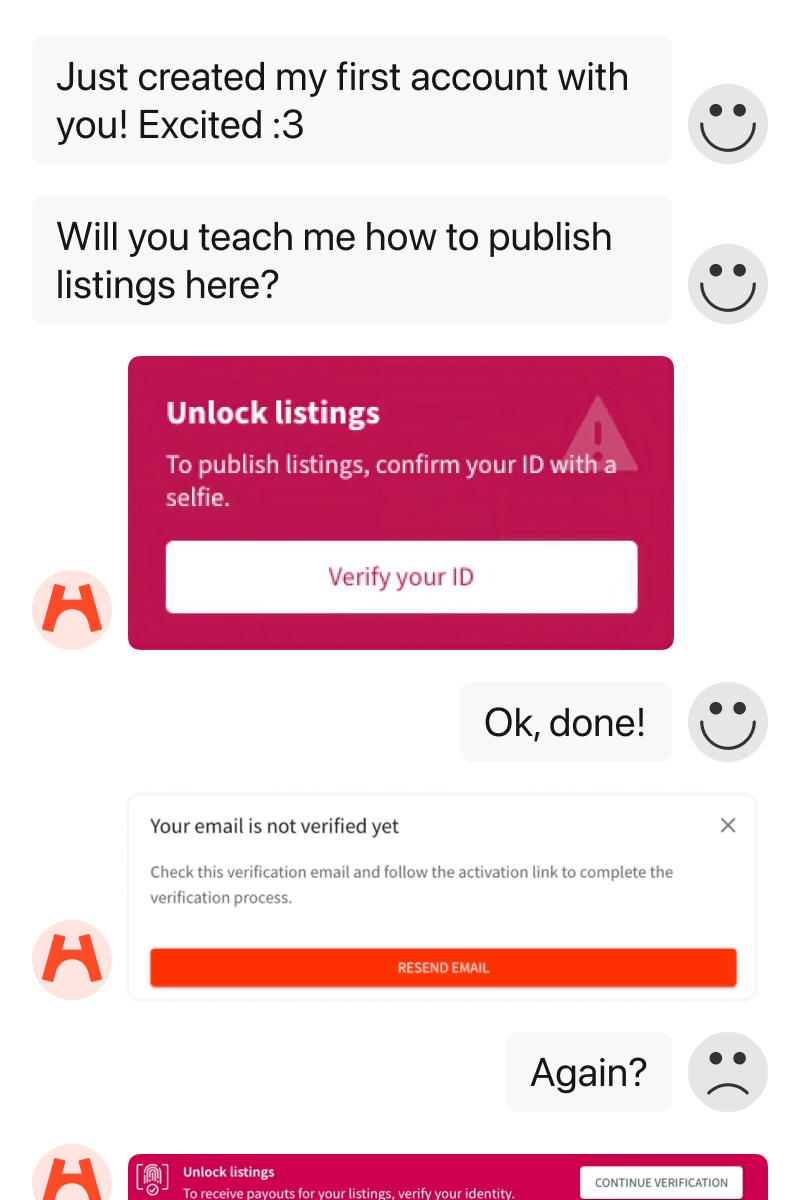
Animation transcript: a conversation illustrating the previous verification journey.

  1. Landlord: “Just created my first account with you! Excited :3”
  2. Landlord: “Will you teach me how to publish listings here?”
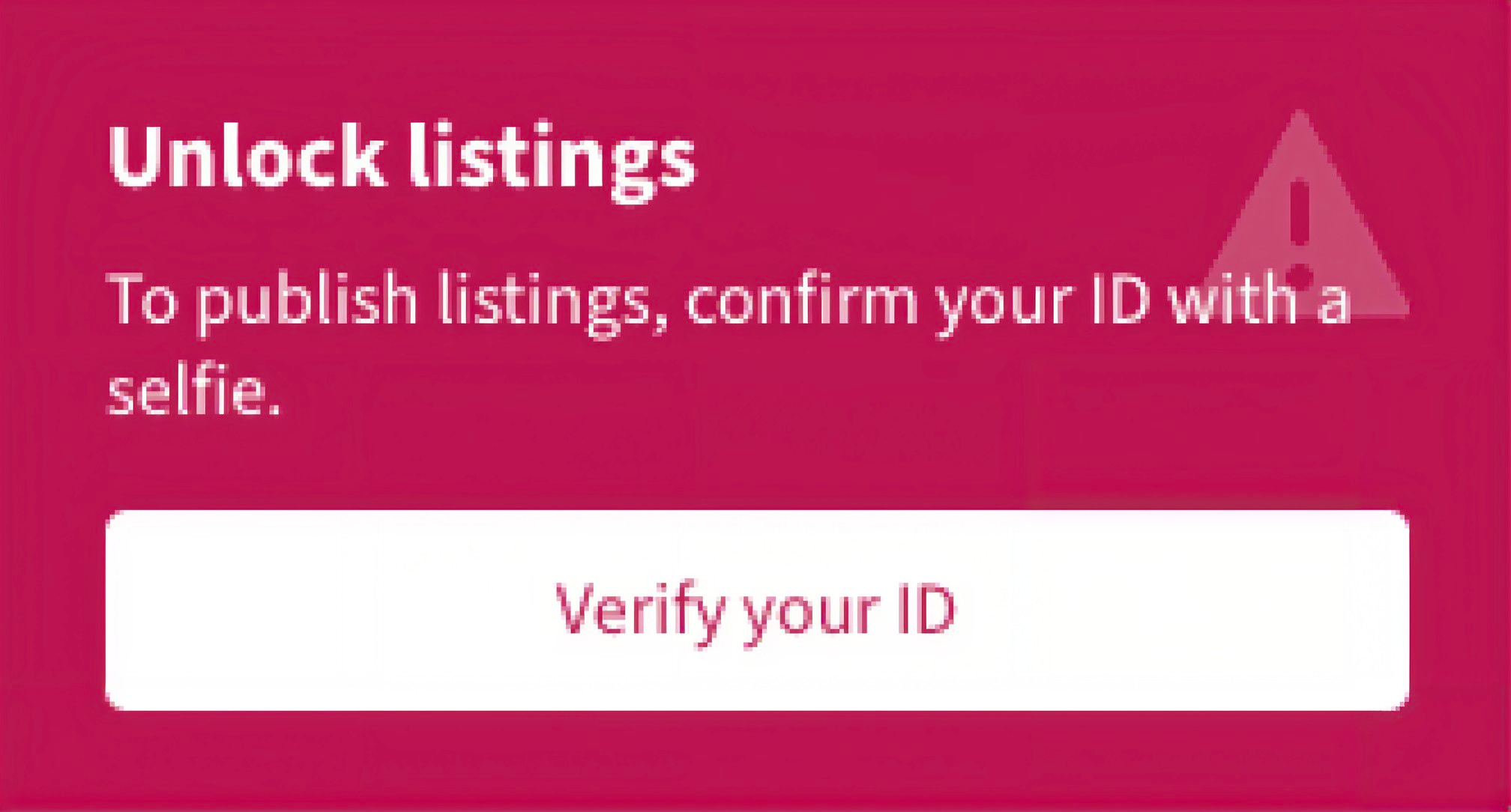
  3. HousingAnywhere: “Unlock listings. To publish listings, confirm your ID with a selfie.”
  4. The landlord takes a picture, then replies: “Ok, done!”
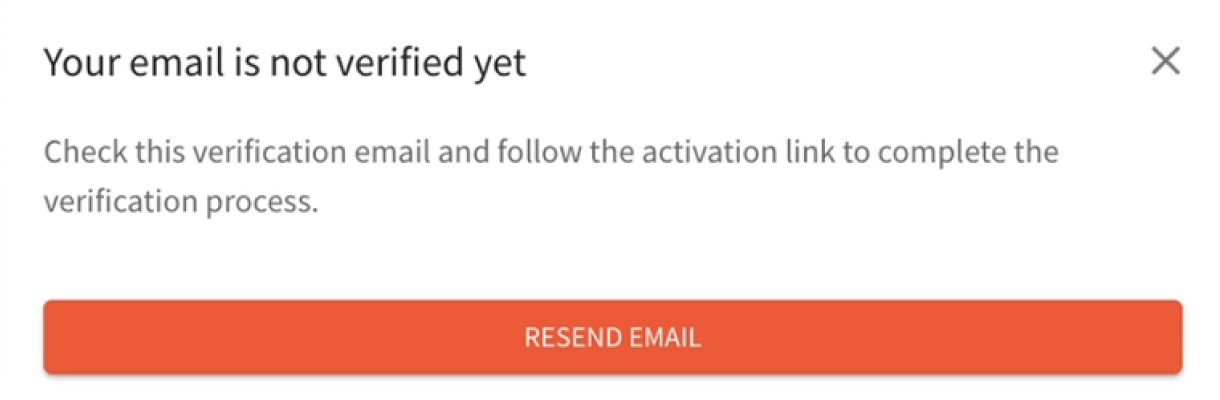
  5. HousingAnywhere: “Your email is not verified yet.”
  6. Landlord: “Again?”
  7. HousingAnywhere requests identity verification again, then shows the requirements for getting the first booking and a fee message.
  8. The frustrated landlord starts typing, then deletes the account.

Process

Find out all sides of the problem from HubSpot tickets, recreating the flow, and research

Interviewing customer support and account managers

To go deeper into the root causes of the problem, I interviewed people from customer support and account managers who were responsible for helping landlords verify their account and proceed to publishing the listing. The main problems that they reported were focused around unclear terminology, inconsistent experience, and unexpected errors.

Discovering all edge cases and misalignments

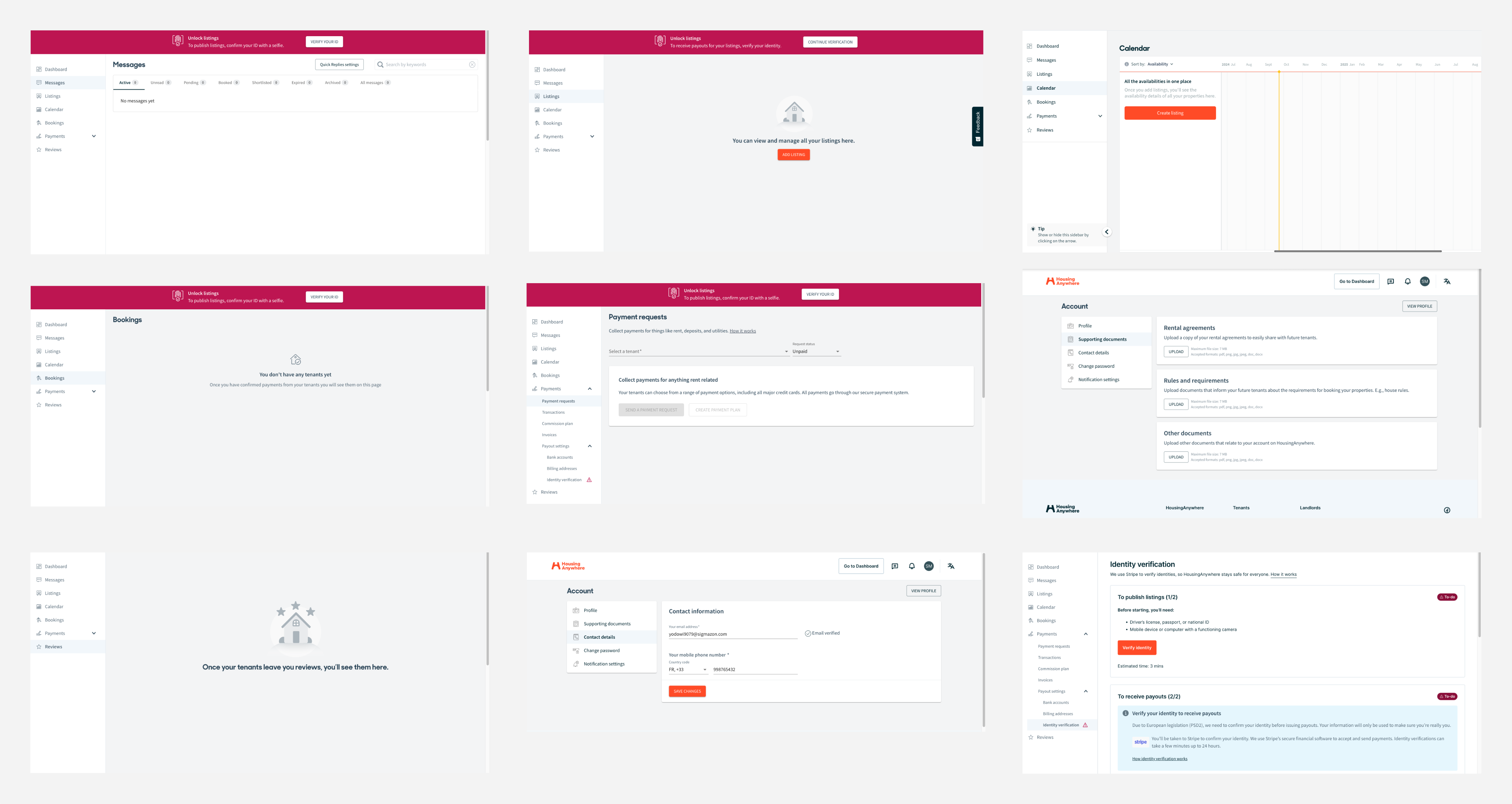
The audit revealed a sequencing problem. Landlords encountered prompts for Know Your Customer (KYC) checks shortly after registration, although those checks were needed to receive payouts. They also needed to complete the identity checks required to publish a listing.

The interface gave publication and payout requirements similar prominence, making their priority unclear. Inconsistent labels also blurred the distinction between identity verification and KYC.

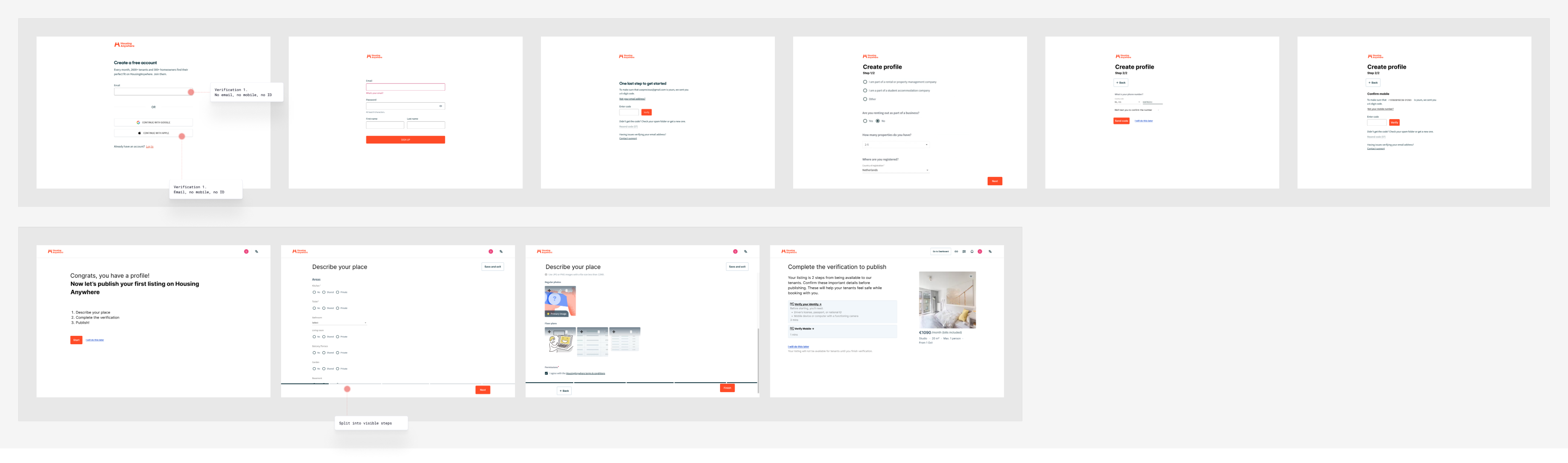
Audit map of the existing landlord journey and verification prompts. Documented verification screens highlighting inconsistent requirements and terminology. Comparison of verification copy across the landlord experience.
Documenting the messy journey and copy

Mapped the journey around two milestones

For each milestone, I worked through what landlords needed to complete, what could wait, and how to explain the next action. This informed the priority of prompts across the dashboard, account settings and listings page. I worked with a copywriter to standardise the terminology.

During the project, we found inconsistencies in documentation about mobile verification. I brought the question of whether we should add mobile verification as a new step to business and compliance stakeholders.

Solution

A gamified progress component showed landlords what to complete next

Connecting progress to specific actions

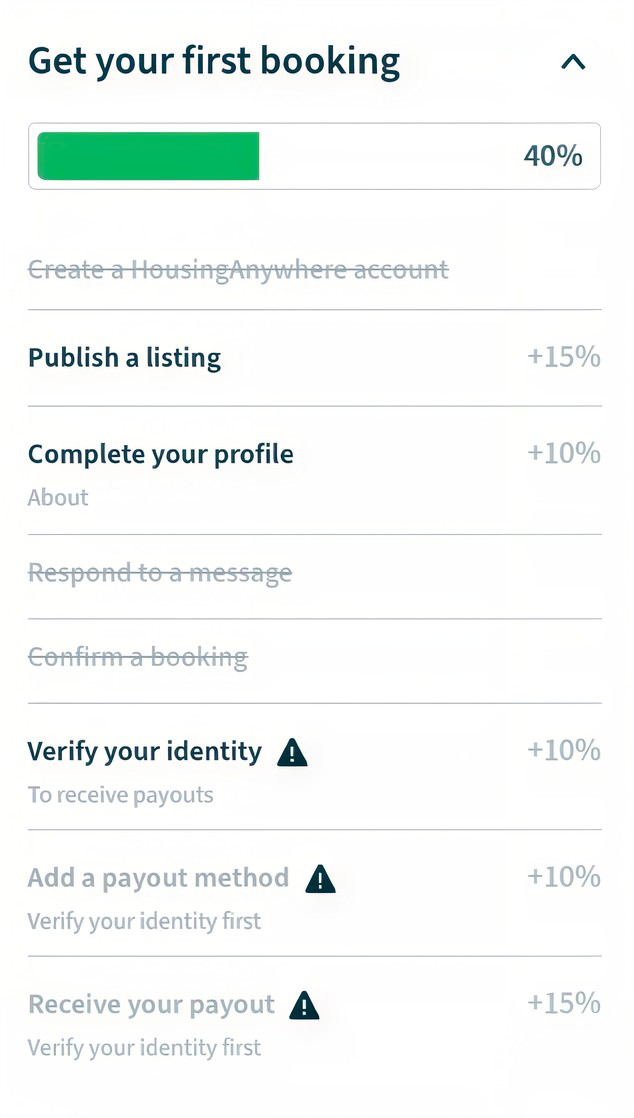
The previous percentage-based indicator gave landlords little context about the work remaining. I designed a component that paired a circular progress indicator with named verification steps.

A confirmation card appears to show that the landlord is verified and can publish listings.
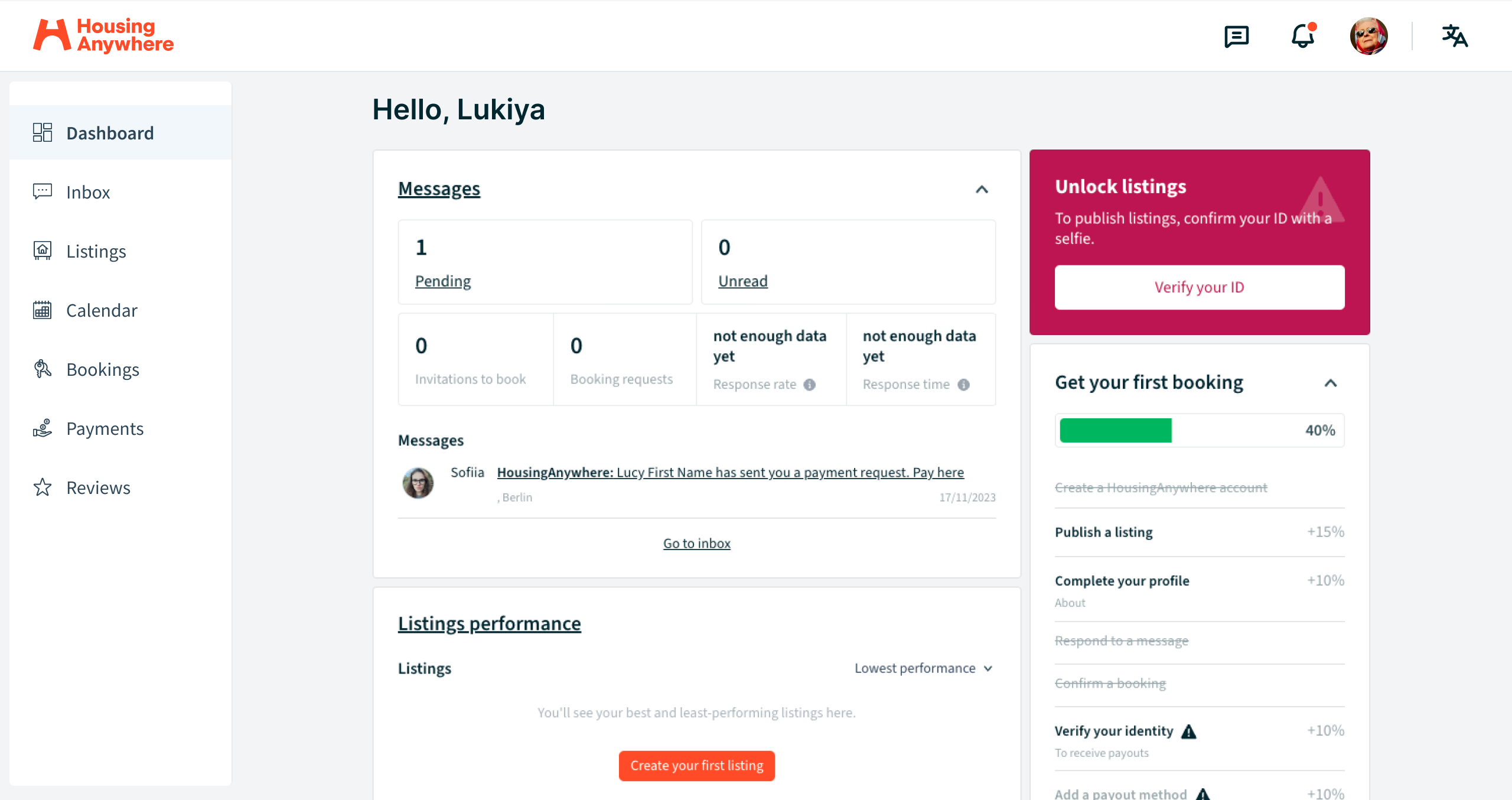
Previous landlord dashboard with a percentage-based checklist and a separate identity-verification warning.
Before
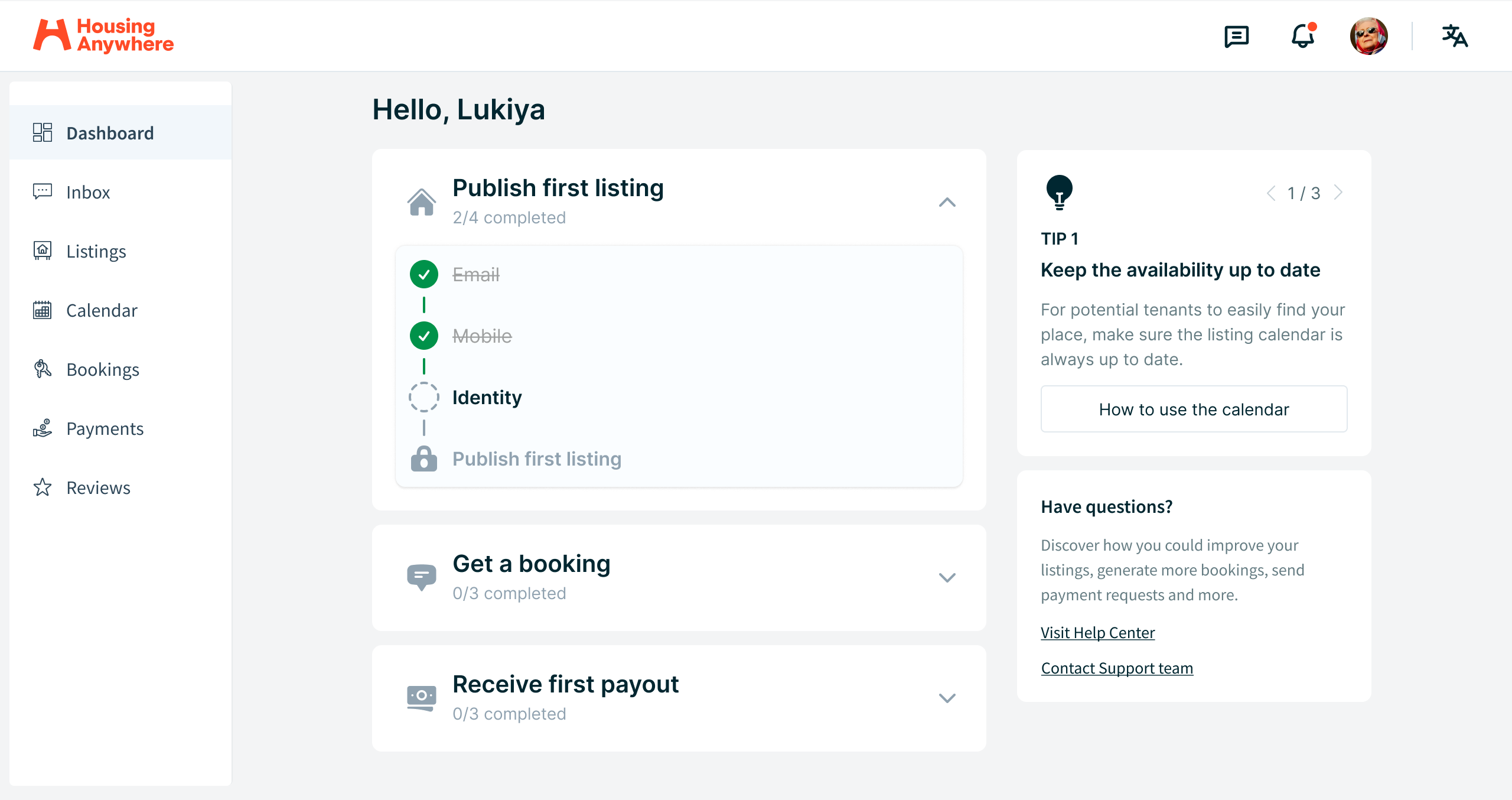
Redesigned landlord dashboard with named milestones for publishing a listing, getting a booking, and receiving a payout.
After

Making listing publishing the first goal

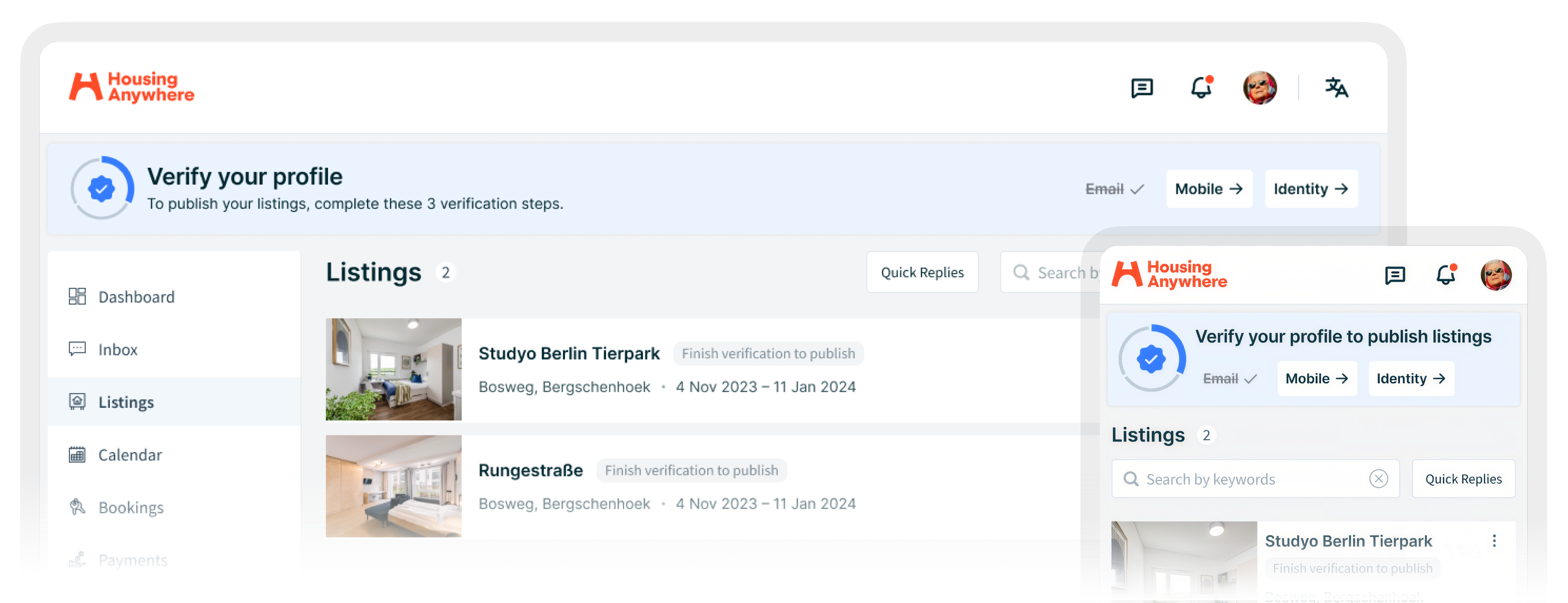
I focused the initial experience on the requirements for publishing. The design allowed landlords to prepare a listing draft before completing verification, while keeping publication blocked until the required checks were complete.

The banner explained the connection directly: verify your profile to publish your listings. Individual actions showed what was complete and what still needed attention.

Contributed it to the design library for reuse across other relevant cases.

Publication-first listings dashboard with a verification checklist on desktop and mobile.

Edge cases

Existing landlords needed a transition from older verification rules

Some landlords already had bookings and had joined before identity verification was introduced. Their older verification statuses meant we needed to decide how the new requirements would apply to them.

I worked with internal teams on a transition approach covering verification deadlines, email communication and account-manager follow-up. We also considered manual verification in Internal Panel for established partners trusted by the company.

Impact

Boosted landlord activation and security

The redesigned journey connected verification tasks with the actions they enabled. Publication became the first goal, and the progress component showed the checks needed to reach it.

25% increase.

More first listings were published

63% decrease.

Inquiries to Support

The project reinforced the value of investigating support work alongside the customer journey.